
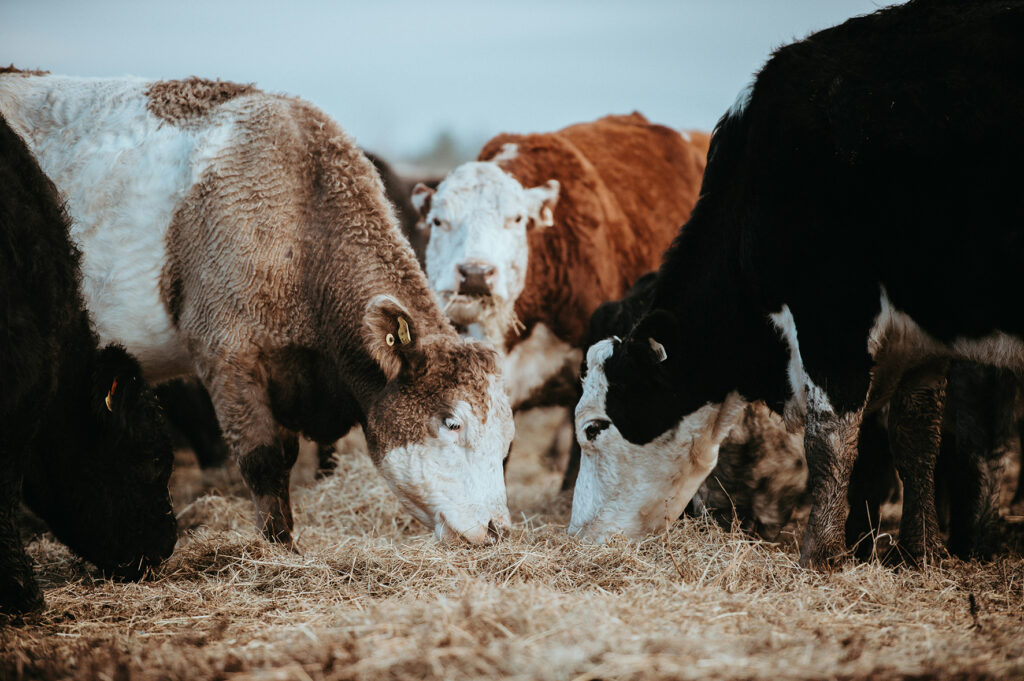
The hospitality industry is grappling with escalating meat prices and supply shortages, driven by both global and domestic factors. From more recent catastrophic flooding in Queensland and NSW to international trade disruptions and tariffs, renowned food venues are now having to navigate an increasingly challenging landscape and are turning to local solutions for help.
“We’ve had to pivot quickly and rethink our menu engineering,” says Ryan McVeigh, Group Executive Chef from Showtime Group. “Beef prices have climbed so high that we’re trialing alternatives and building tighter relationships with our supplier network just to keep our menu sustainable.”
Globally, beef supply is experiencing its first significant contraction since 2020. Major manufacturers and suppliers in places such as Brazil, the United States, China, and New Zealand are reporting herd reductions, leading to an estimated 1% decrease in global beef supply and a 3.2% increase in price compared to the previous year.[1] This contraction is largely attributed to prolonged drought conditions worldwide, many of which began as early as around 2019 in regions such as southern United States and Argentina.
Domestically, the meat industry in Australia has its own pressures. The Southern parts of Australia have also experienced severe drought conditions with some rural areas in particular recording their lowest rainfall totals on record since the late 1960’s.[2] This prolonged dry spell has led to barren pastures, forcing farmers to rely heavily on expensive feed or to sell their livestock as needed. Much of eastern Australia, including New South Wales and Queensland, also experienced similar conditions leading to significant reductions in livestock numbers which affected meat production and exports. As of May 2025, widespread floods have affected over 500,000 square kilometers in the Queensland’s outback alone, resulting in the loss or displacement of over 144,000 livestock.[3]
In New South Wales, more recent severe flooding has also led to significant livestock losses, and while precise numbers are still being assessed, reports indicate that many farmers have lost entire herds. All this is expected to contribute to an anticipated 10-20% rise in meat prices in the coming year, potentially mirroring the trend of the 2019 floods. Adding to the strain, international trade tensions have also exacerbated supply issues. The recent 10% tariff imposed by the United States on Australian beef, sheep meat, and goat meat exports has disrupted trade flows and created pricing pressure. While some might assume that more product staying in Australia would ease local supply, the reality is that manufacturers and suppliers earn higher margins through exports. But as those markets become less profitable or harder to access, operations are often scaled back, rather than redirected to domestic markets, which then reduces the total supply.
Overlaying all these challenges is the impact of climate change. According to the Emergency Event Database the number of climate-related natural disasters globally has increased by nearly 83% over the past 20 years. In Australia, unpredictable weather patterns from bushfires to flooding, are damaging agricultural output and putting further pressure on meat supply chains, making consistent procurement increasingly difficult for hospitality venues. With supply becoming increasingly unpredictable, many venues are struggling to maintain menu offerings and price points, especially those establishments that rely heavily on meat dishes, which are staples of many culinary offerings.
To help mitigate risk in the face of this adversity, hospitality venues are turning to buying groups and inventory management software for the food industry such as those offered by My Local Foodie. They offer a full product and service solution designed to connect venues with sustainably sourced products and suppliers through their food costing software Costimator and procurement group, FoodieBuy. By fostering relationships between manufacturers and suppliers and hospitality venues, My Local Foodie is helping venues stabilise supply and reduce procurement costs.
“Sourcing quality cuts is a challenge” states McVeigh, “But with My Local Foodie’s Procurement Group FoodieBuy, and their kitchen management software platform Costimator, we have been able to source alternative proteins more readily, different suppliers and adjust our recipe offerings to uphold our quality standards.”
Through its network of 250 hospitality venues and over 150 distributors, My Local Foodie offers access to a wide range of local and national food produce, helping venues maintain menu consistency and manage costs. Their restaurant inventory management software also provides real-time cost tracking, budgeting, and supplier management tools, empowering businesses to make smarter purchasing decisions. For suppliers, the platform delivers consistent demand and strong buyer relationships while for venues, it means greater supply chain control and long-term sustainability.
CEO of My Local Foodie, Maria Kucherhan comments “In times like these, strengthening local supply chains is essential to keeping venues viable. We created My Local Foodie to solve real problems in the hospitality industry, rising food costs, inefficient ordering systems, and the lack of visibility on supplier pricing. Our kitchen management software combines powerful menu engineering tools complemented by smarter buying strategies, giving venues the edge they need to improve profitability and operate more efficiently in today’s market.” So, as the hospitality industry continues to navigate uncertain supply chains and price volatility, products and services like those offered by My Local Foodie, are resilient solutions to help the vibrant food culture in our country not only continue to thrive, but also to uphold the consistent quality and value they are known for.
For more information please contact:
Belinda Pannunzio e: belinda@mylocalfoodie.com.au p: 0425 747 525
[1] https://www.reuters.com/markets/commodities/corrected-world-food-prices-increase-april-uns-fao-says-2025-05-02/
[2] https://nespclimate.com.au/wp-content/uploads/2021/05/ESCC_Dry-Extremes-in-southern-Australia_Fact-Sheet.pdf
[3] https://watchers.news/2025/04/11/over-144-000-livestock-lost-in-devastating-queensland-floods-australia/


